


Simplify your EDF filing
Streamline EDF filing for service exports with a simple 3 step process


What is OneCompliance?
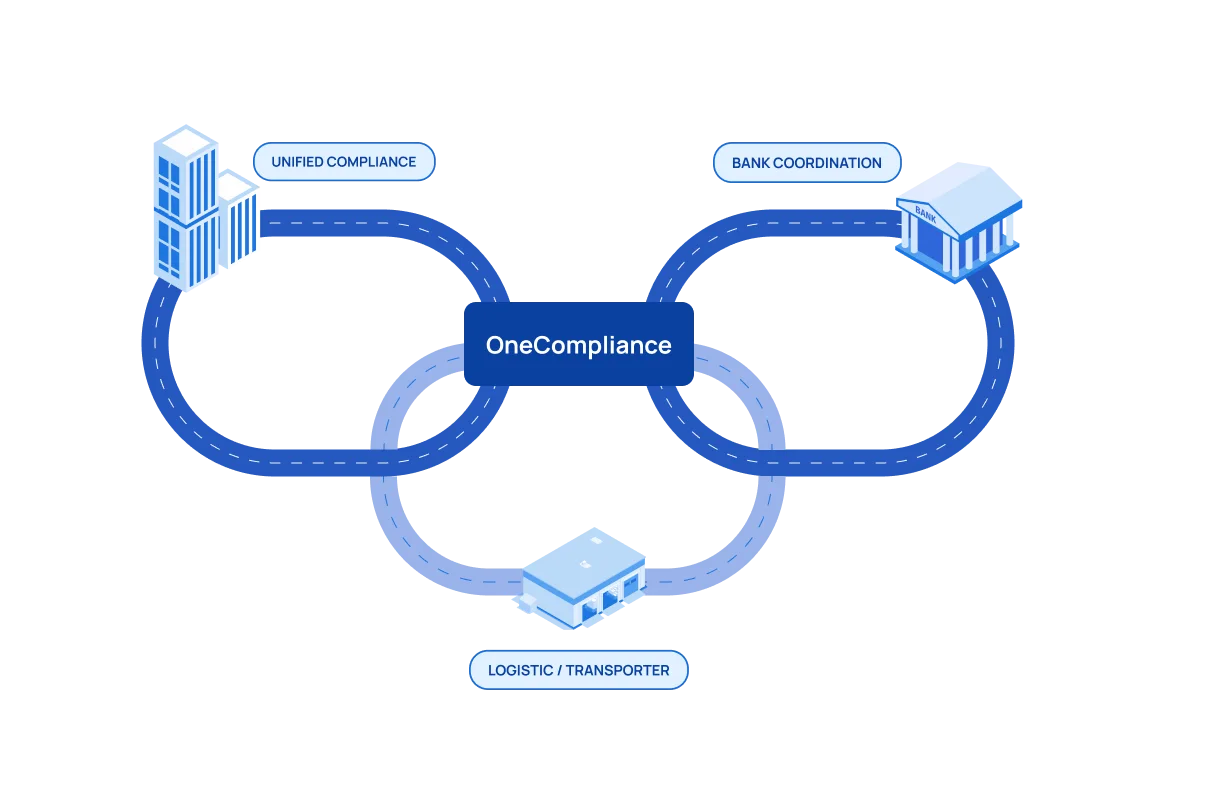
OneCompliance is IBDIC’s unified trade compliance platform that brings together documentation, reconciliation, regulatory workflows, and stakeholder collaboration into a single digital environment. It helps corporates and banks manage trade compliance across multiple systems, institutions, and regulations through a structured, auditable, and workflow-driven platform.
Today, trade compliance is fragmented across banks, Customs, DGFT, RBI, GSTN, payment systems, and internal ERP platforms. This often results in manual follow-ups, reconciliation challenges, delayed regulatory closures, and limited visibility into compliance obligations. OneCompliance addresses these challenges by creating a single source of truth for trade compliance and regulatory management.
For service exporters, OneCompliance digitises the Electronic Declaration Form (EDF) submission journey. It provides end-to-end visibility into EDF status and supports tracking through bank acknowledgement and EDPMS regularisation, helping exporters manage regulatory obligations efficiently.
A Single Window for Trade Compliance
Connect seamlessly through existing banking APIs while enabling corporate trade regularisation, settlement, and submission workflows via a trusted technology service platform.
Enabling Better Compliance Outcomes for Everyone

What OneCompliance enables for you?
- Unified platform for all I/EDPMS closures across all the AD Banks
- Standardised data exchange across Banks, DGFT, Customs, GSTN and other platforms.
- Digital document movement reducing manual delays and follow-ups.
- Digitised EDF submission for service exports, with end-to-end tracking from invoice to Edpms regularisation.

What OneCompliance enables for you?
- Participate in digital import and export workflows.
- Embed your services across the trade compliance lifecycle.
- Use standardized trade data to build smarter products and partnerships.

What OneCompliance enables for you?
- Leverage existing APIs for faster onboarding without new infrastructure.
- Receive validated transaction data with lower manual review effort.
- Reduce manual processing effort and operational error rates.

What OneCompliance enables for you?
- Greater transparency across export and imports compliance.
- Standardized and interoperable trade compliance infrastructure.
- Improved monitoring with audit-ready digital traceability.
The Old Way vs The OneCompliance Way
|
|


Traditional Compliance Management |


IBDIC OneCompliance |

Process & Reconciliation |

Manual spreadsheets and endless follow-ups |

Automated reconciliation with single source of truth |

Data Visibility |
Data scattered across banks and platforms |
All invoices, shipping bills, remittances, EBRCs in one dashboard |

EBRC & Refunds |
eBRCs delayed by weeks; refunds stuck |
eBRC-ready data auto-prepared — faster incentives & GST refunds |

Audit & Compliance |
Audit panic and compliance gaps |
Complete audit trail, always ready, zero scrambling |

Control & Expertise |
Heavy reliance on consultants |
Your team stays in control |
Ready to transform your compliance?
Stop firefighting. Start leading. OneCompliance is part of the OneTrade Ecosystem by IBDIC.
Thank You!
We've received your request. Our team will get in touch with you shortly.
Frequently Asked Questions
What is OneCompliance?

OneCompliance is a unified export compliance platform that helps corporates manage shipping bills, invoices, IRMs, documents, and banking workflows in one place with standardized, audit-ready operations.
What does OneCompliance enable today?
It enables DGFT integration, EBRC issuance, consignment management, digital document packs, reconciliation workflows, banking instructions, trade partner collaboration, and IRM processing.
What is the current status of OneCompliance?
The platform is live in production with onboarding, reconciliation, eBRC support, compliance workflows, dashboards, ERP integration, and centralized document management.
Who should use OneCompliance?
The platform is designed for large corporates, MSMEs, small exporters, and e-commerce exporters managing export compliance across one or multiple AD banks.
How does the platform reduce manual intervention?
Through ERP integrations, API connectivity, automated workflows, and rule-based processing for settlements and reconciliation.
Is OneCompliance customizable for different business requirements?
Yes, the platform is configurable with customizable workflows, validation rules, dashboards, and reporting capabilities to meet specific organizational compliance needs.
What is an EDF, and why do I need to file one?
An Export Declaration Form (EDF) is a simple form where you tell your bank how much your export is worth. The bank passes this to the Reserve Bank of India, which starts tracking the export. When the overseas buyer pays, the bank matches the payment to your declaration and closes the entry. Filing on time keeps your export records clean and avoids delays later, such as when you need your eBRC.
Who has to file an EDF from 1 October 2026?
Until now, EDF mainly applied to goods exporters, and software exporters used SOFTEX. From 1 October 2026, anyone who exports services or software must file an EDF. This includes freelancers, agencies, consultants and SaaS companies. For software exports made on or after that date, EDF replaces SOFTEX.
How and when do I file an EDF, and what details do I need?
For goods: At major ports, the EDF is filed along with your shipping bill on ICEGATE. At other ports, you submit it through customs and your bank.
For services and software: You file with your Authorised Dealer bank (software exporters can also file through STPI). There are two timing options:
- File one EDF a month covering all invoices raised that month, within 30 days after the month ends. For invoices raised in October 2026, the due date is 30 November 2026.
- File on or before the date you receive the payment.